KWIKS sourcing
The project with KWIKS involved redesigning their platform's UI/UX and integrating AI to enhance user experience and streamline recruitment. The focus was on creating an intuitive interface, optimizing candidate matching, providing real-time analytics, and implementing AI-driven support chatbots, ultimately improving efficiency and user engagement.
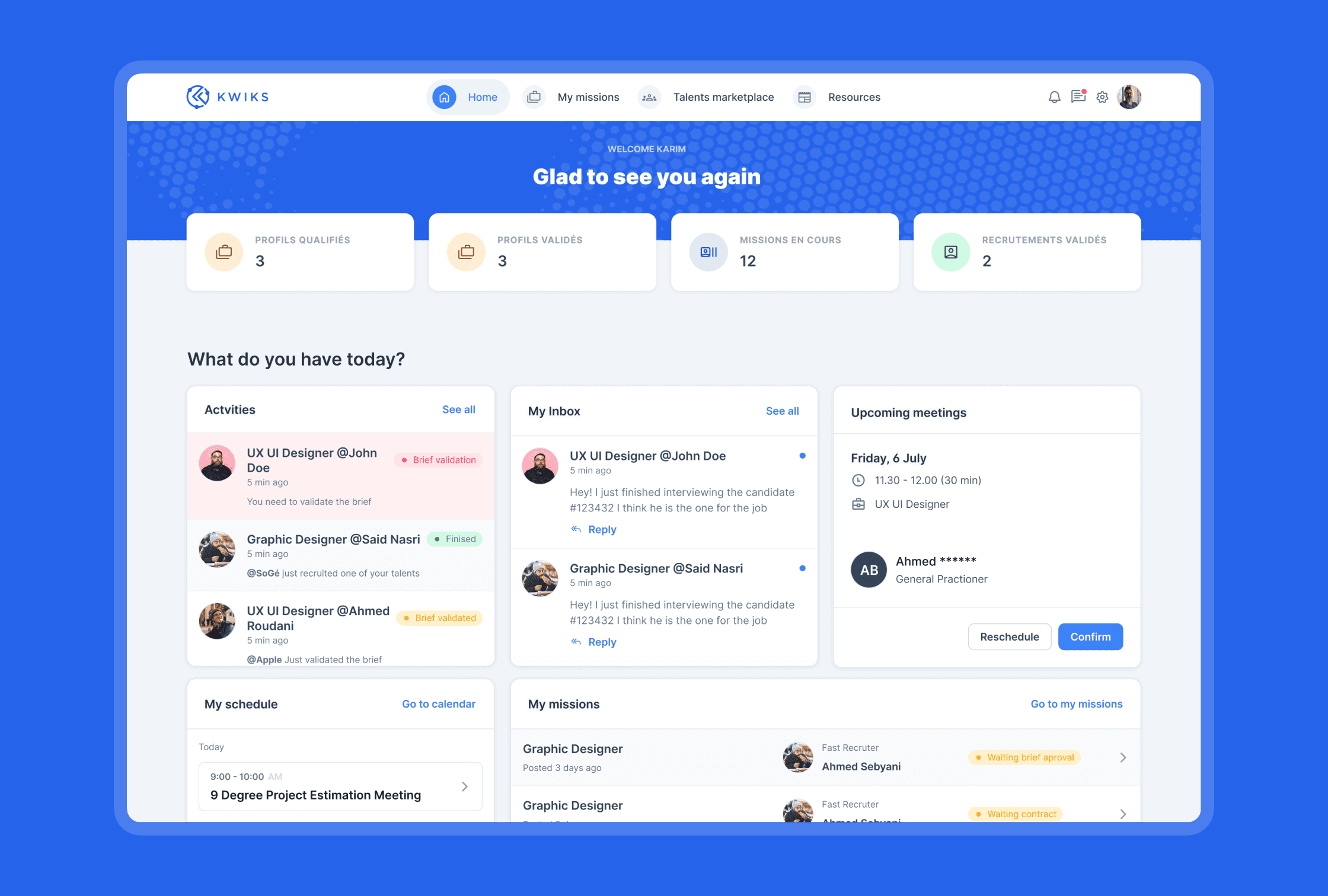
The KWIKS team set out to reinvent how companies hire talent by creating a recruitment marketplace that connects businesses with specialized headhunters and freelance recruiters around the world. They partnered with us to reimagine their platform from the ground up—focusing on a smoother user journey, AI-powered hiring tools, and a more transparent recruiter experience.
By the end of the project, we redesigned the full platform experience, restructured the sitemap, and delivered an entirely new visual identity—touching everything from the product UI and prototyping to the investor pitch deck and developer handoff.
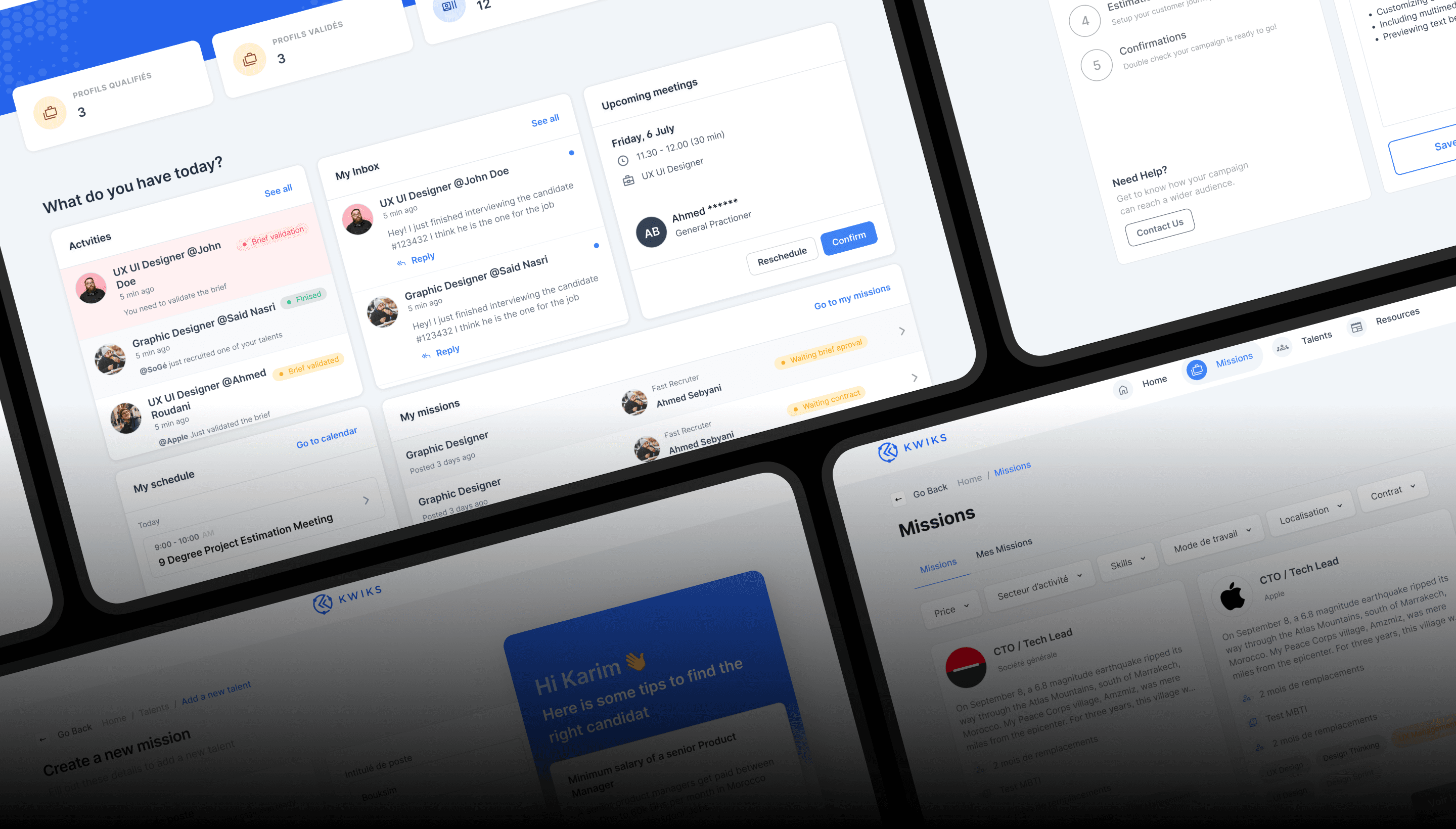
KWIKS platform — redesigned UI
The previous version was unstable and slow, leading to frequent crashes and a frustrating user experience for customers. Additionally, the tech team struggled to implement new features due to the platform's outdated infrastructure. This made the project critical, necessitating a redesign within the shortest possible timeframe to stabilize the platform, enhance user satisfaction, and enable future scalability.
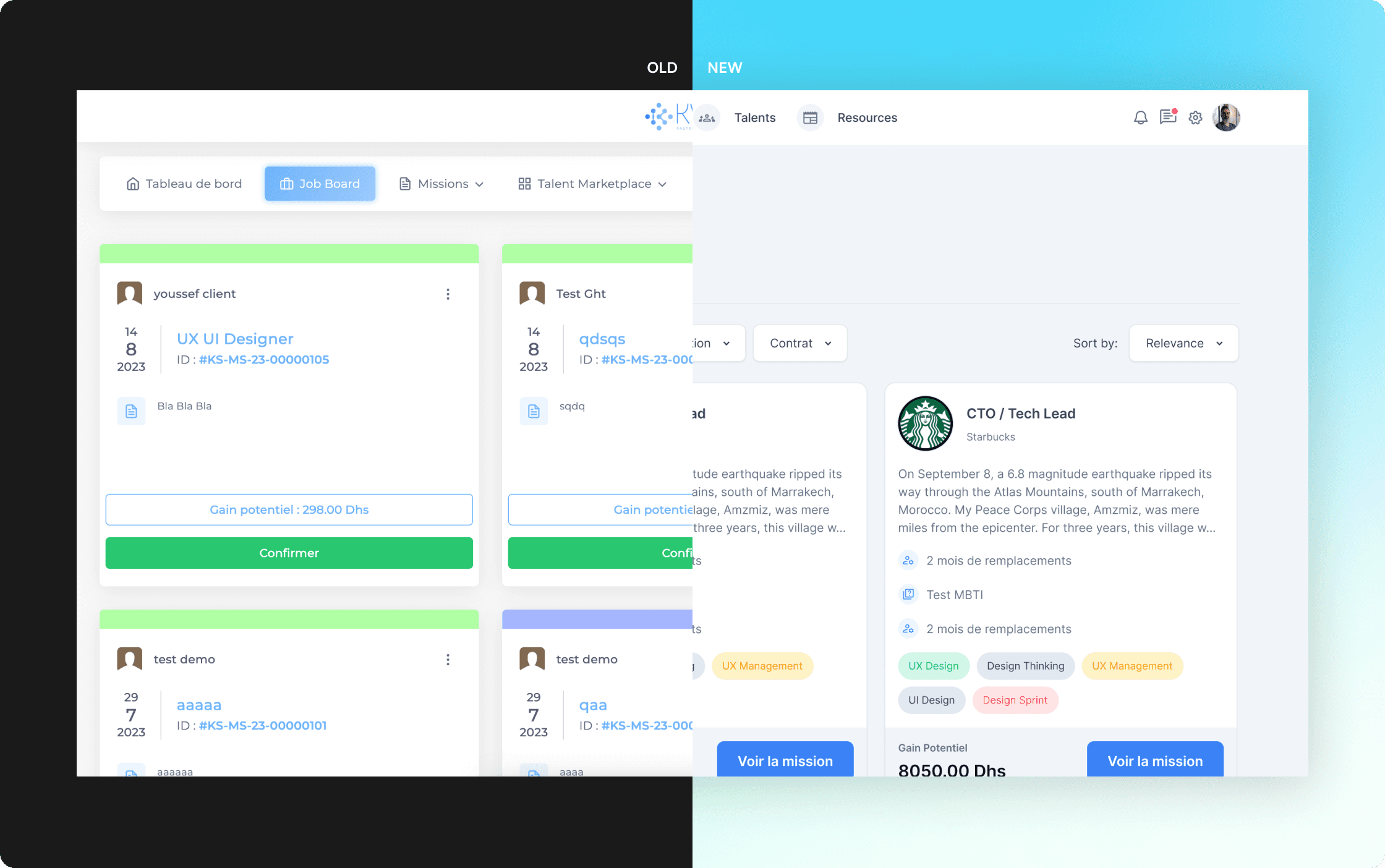
Previous platform — pain points identified
Hiring is often slow, expensive, and frustrating—especially for growing businesses that need to scale quickly but don't have access to trusted recruitment networks. The KWIKS team saw an opportunity to fix that by connecting companies with vetted, specialized recruiters through a seamless digital experience.
There was no clear brand, no user-friendly flow, and no scalable system. That's where we came in. We helped KWIKS build trust through intuitive design, a transparent commission model, and smart AI-driven features—all while positioning them as a disruptor in the recruiting space.
- AI-powered recruiter matching tailored to each hiring mission
- Transparent commissions and upfront collaboration terms
- Real-time mission tracking with simplified workflows
- Global network of independent headhunters, all in one platform
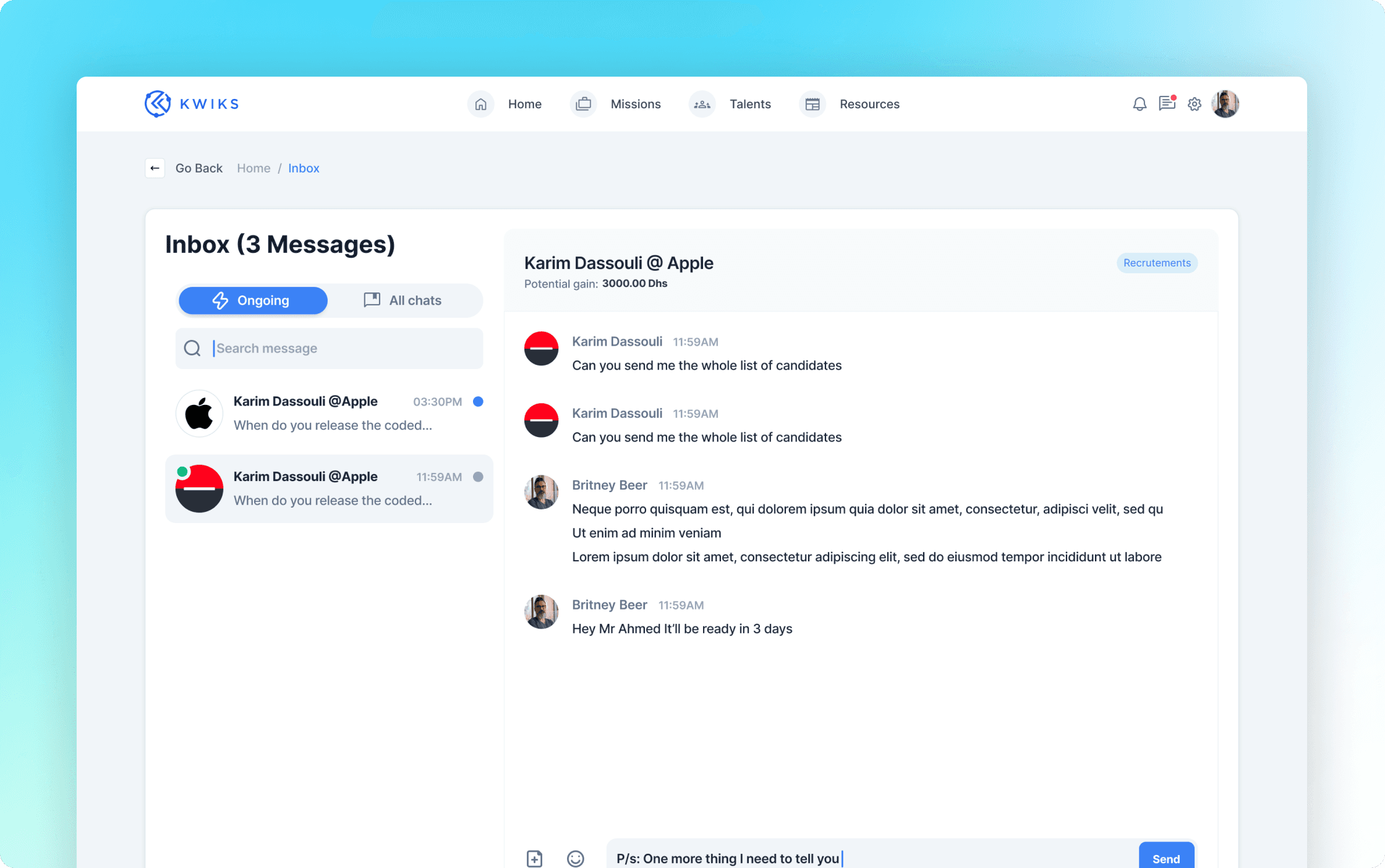
Value proposition — KWIKS positioning
Through systematic analysis of operations data received from KWIKS management:
- Evaluated detailed Excel datasets from Operations and Management teams
- Extracted actionable patterns from quantitative user behavior metrics
- Identified critical pain points revealed through structured data analysis
- Translated complex operational feedback into clear user requirements
- Prioritized improvements based on data-supported impact assessments
- Delivered evidence-based recommendations that enhanced platform usability
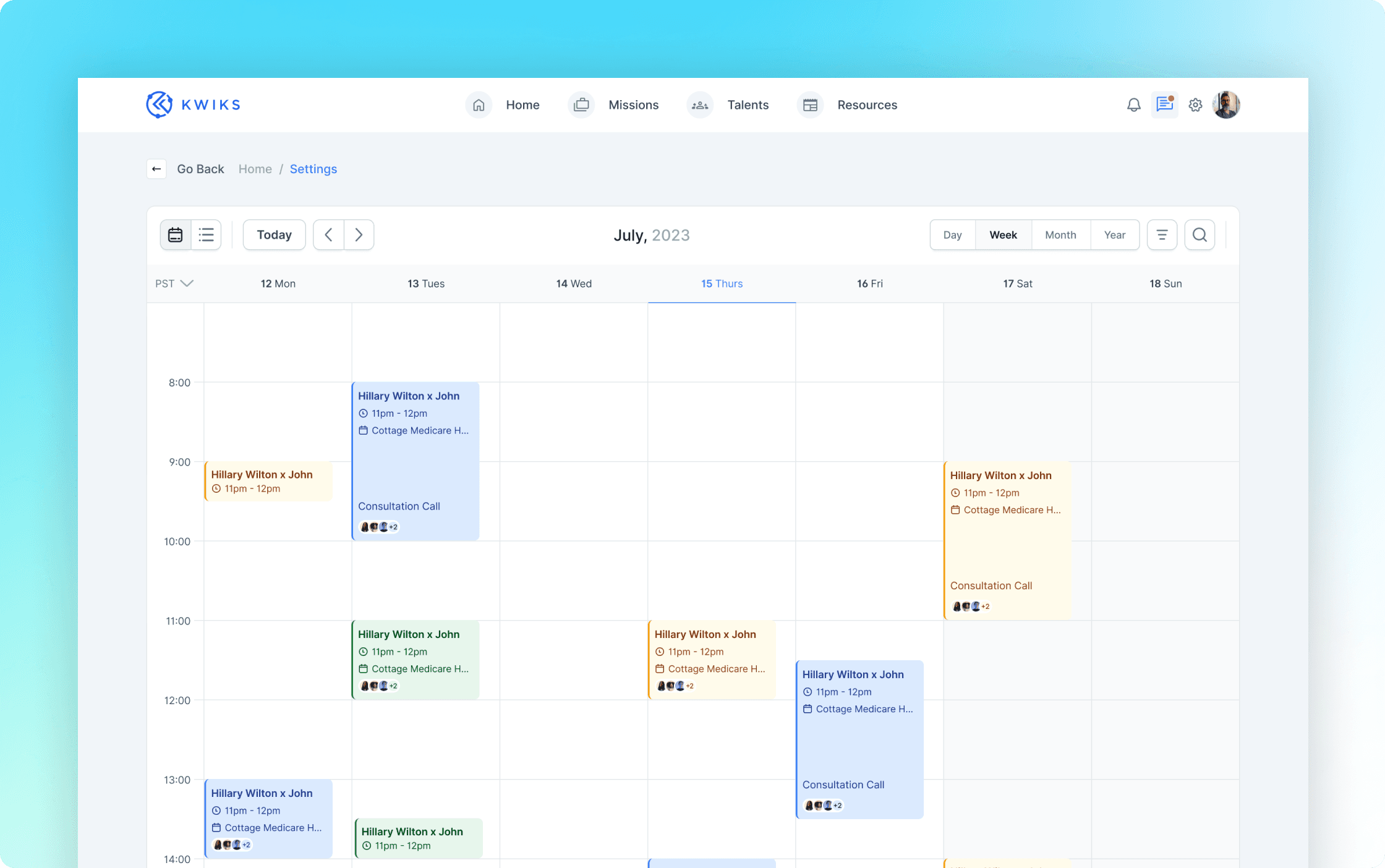
Research findings and data analysis
During the ideation phase with KWIKS, I embraced a rapid, collaborative approach that maximized stakeholder input while maintaining design momentum. Beginning with targeted brainstorming sessions informed by user data insights, I quickly translated concepts into low-fidelity wireframes that served as visual conversation starters rather than finished proposals.
This lean methodology allowed for multiple iteration cycles within compressed timeframes, with each round of feedback refining our understanding of both business requirements and user needs. By intentionally keeping wireframes at a skeletal level of detail, stakeholders remained focused on functional flow and information architecture rather than aesthetic elements.
The collaborative nature of these rapid iterations fostered strong alignment between design direction and business objectives. This strategy proved particularly effective when addressing complex recruitment workflows, enabling us to test multiple solution paths simultaneously before committing development resources to higher-fidelity prototypes.
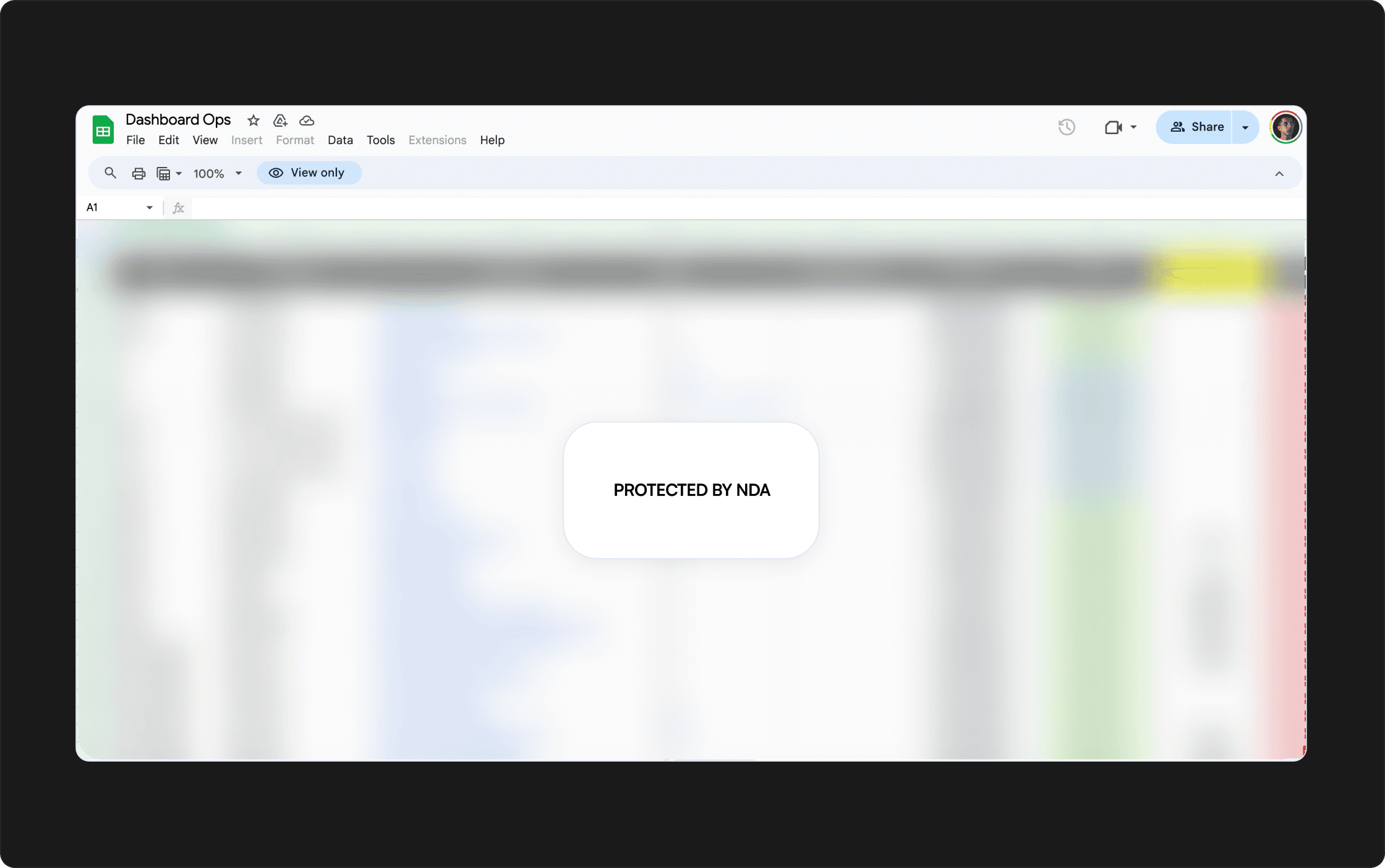
Low-fidelity wireframes — early explorations
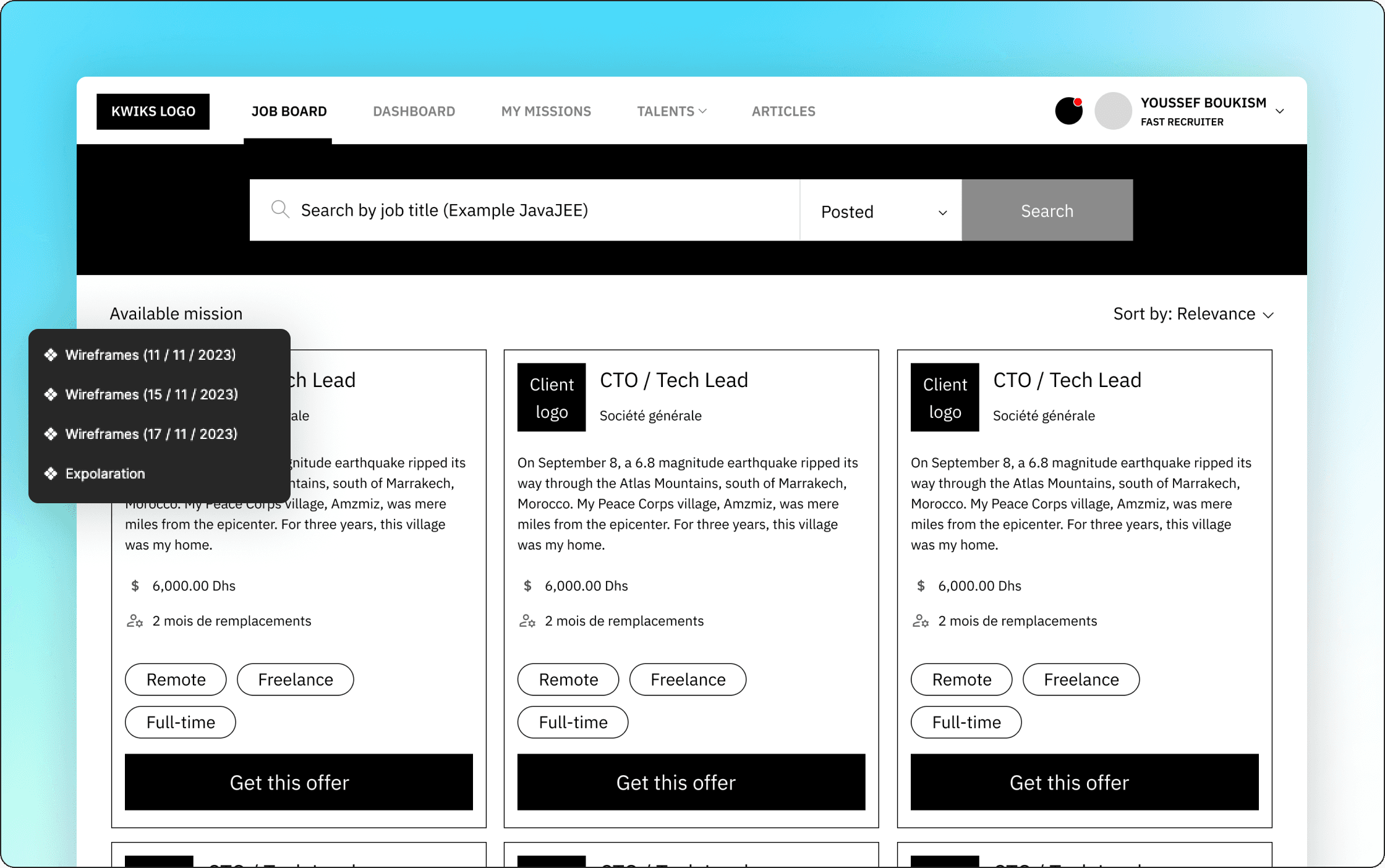
Iteration cycles — stakeholder feedback
Final wireframe direction
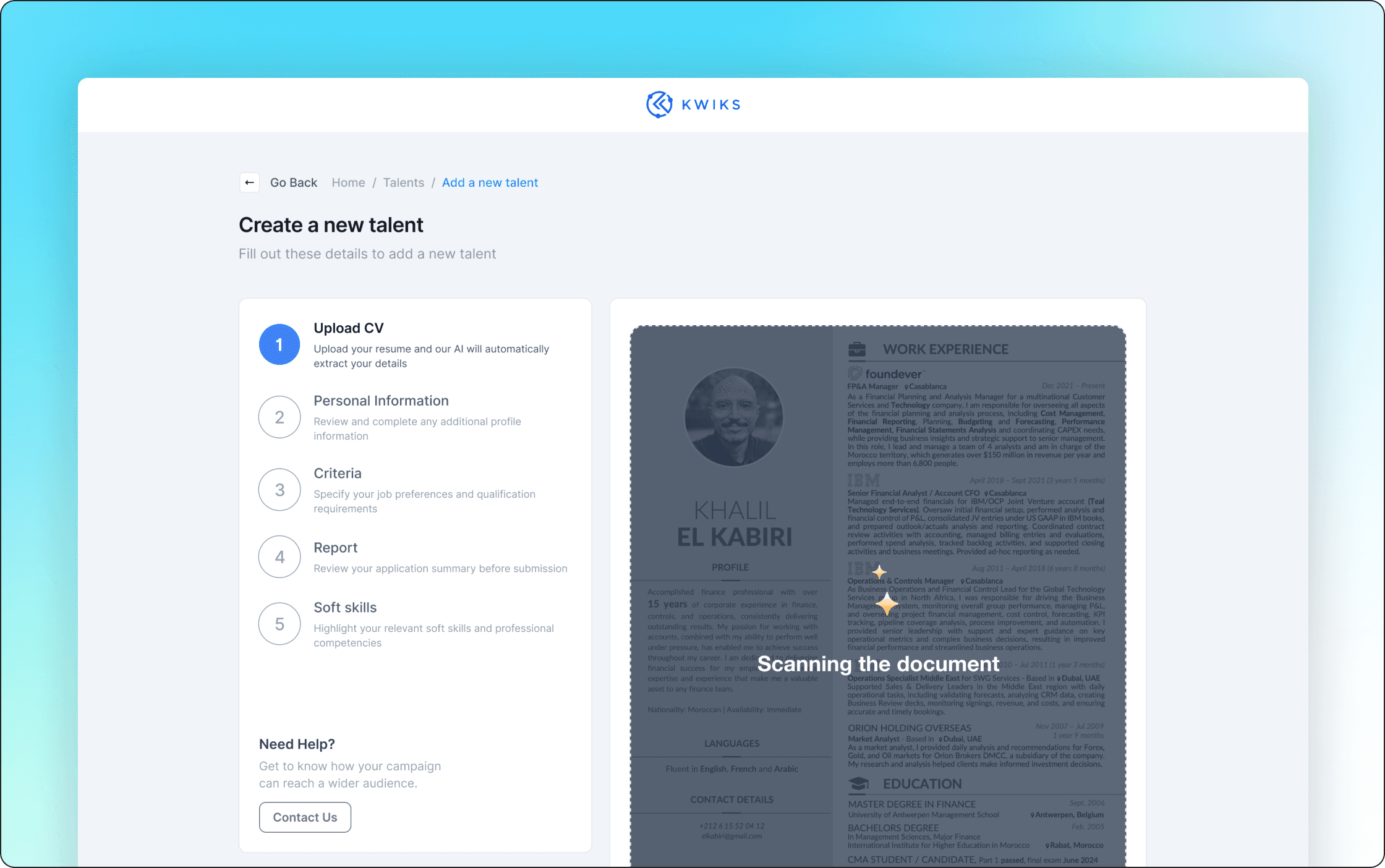
As a UX designer, I leveraged AI technology to eliminate friction in the talent acquisition process after identifying data entry as a critical pain point in user research. The resume parsing feature I designed provides real-time visual feedback while automatically extracting candidate information, transforming a tedious 15-minute process into a streamlined 3-minute experience that allows both recruiters and candidates to focus on meaningful interactions rather than administrative tasks.
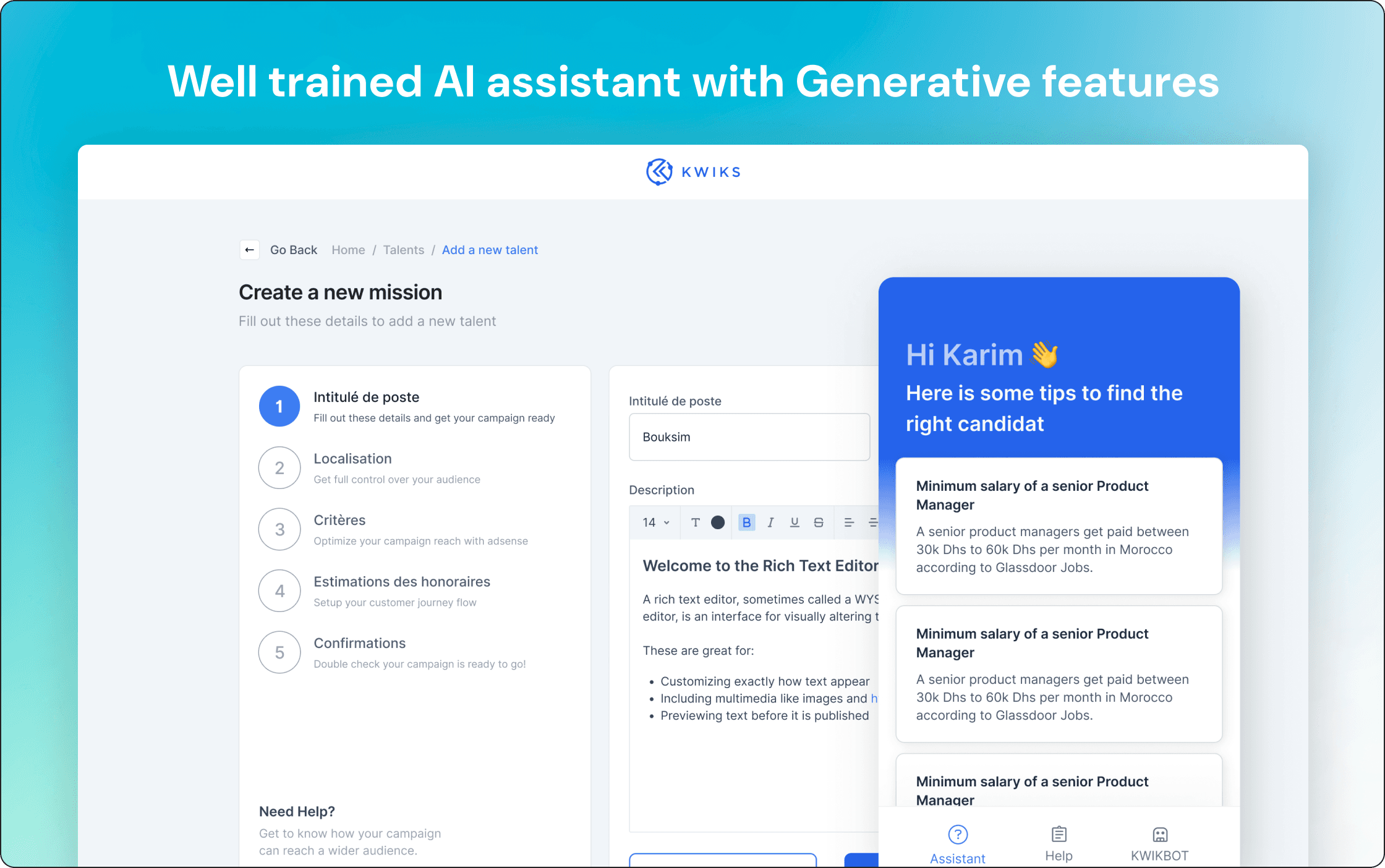
AI resume parsing — real-time extraction
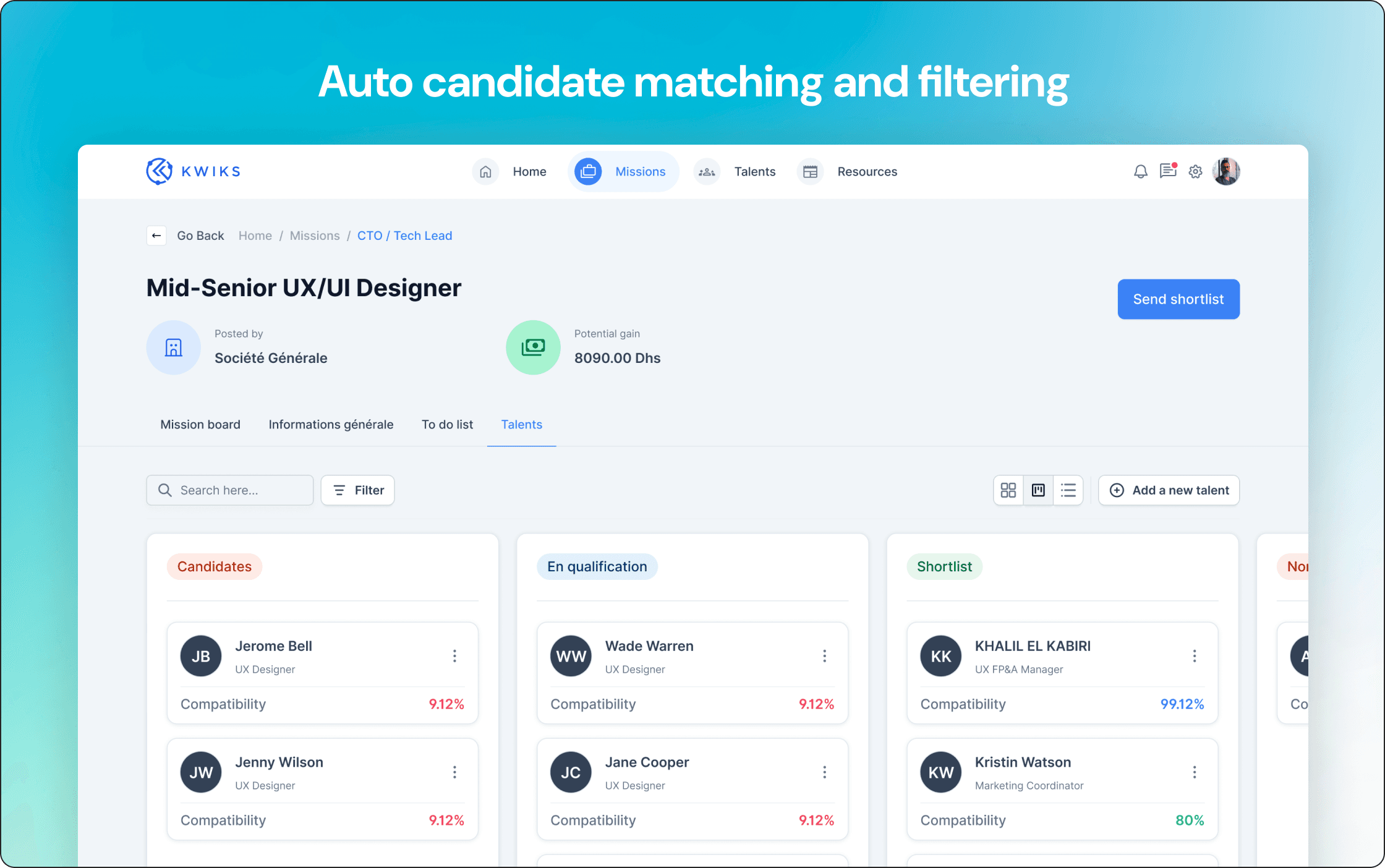
AI-powered matching — recruiter interface

Final AI-integrated platform screens